
Antenna vs Satellite vs Cable
Picture this: it’s a classic Michigan winter storm. The snow is falling sideways, the wind’s howling, and your driveway looks like the Muskegon luge course. You’ve settled in with a warm beverage, ready to catch your favorite show or check the latest weather alerts. Then—bam!—the TV screen freezes, pixelates, or goes black. Sound familiar?
Let’s break it down: in the ultimate blizzard showdown between Satellite, Cable, and Antenna, who comes out on top? Here we go, my friends. There’s a twist ending you won’t want to miss.
Satellite: The High-Maintenance Diva
Satellite TV struts into the room looking sleek, boasting hundreds of channels and on-demand content. But the moment a snowstorm hits, this diva folds faster than your neighbor’s beach chairs in October.
Cloudy with a Chance of No Signal
Here’s the deal: Satellite TV relies on a signal from a dish that’s aiming at something in outer space. That means if the signal gets blocked by clouds, heavy snow, or even a rogue squirrel’s poorly timed leap, you’re out of luck.
And don’t even think about what happens when snow builds up on the dish. Suddenly, your favorite show turns into a PowerPoint presentation of frozen frames—or worse, a “Signal Lost” screen of doom. It’s like being ghosted by your favorite channel.
Media Blackouts: Salt in the Wound
Even when the weather is clear, Satellite TV is no stranger to betrayal. Feuds between satellite companies and major networks mean you can lose access to NBC, FOX, or CBS for weeks—or months—while they hash out their drama. Imagine paying for a service that voluntarily cuts off your channels. It’s like subscribing to a meal kit that keeps forgetting the main course.
Cable: When It’s Good, It’s Great… Until It’s Not
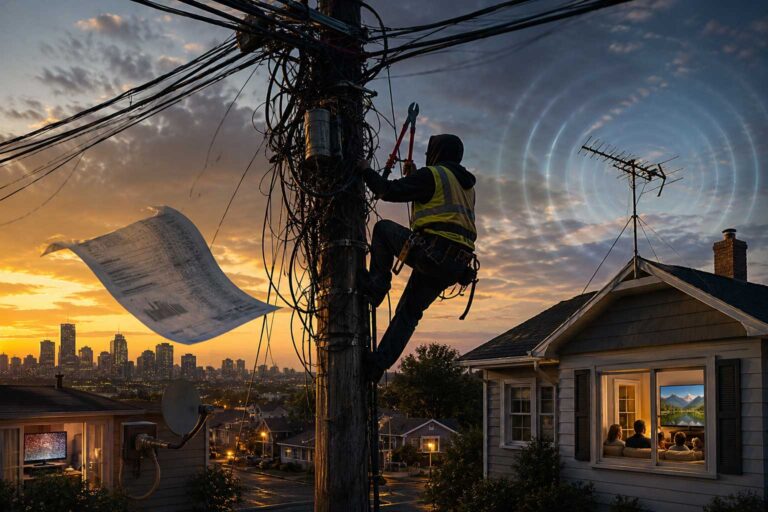
Cable TV tries to be the stable, dependable one in this relationship. It doesn’t get spooked by clouds or snowflakes. But when a storm gets serious, Cable can leave you in the lurch—and not just with your TV.
When Cable Goes Down, It Takes the Internet With It
Let’s say a winter storm knocks out power to your area, or the next neighborhood over, where the cable TV hub is located. Cable TV doesn’t just stop working—it takes your internet and landline (if you still use one) with it. That’s a triple whammy of isolation. Suddenly, you’re not just missing your favorite show—you can’t check the storm radar, FaceTime your kids, or even Google “How to survive without Netflix.”
Cable Companies Are Cutting Their Own Cords
And here’s a fun twist: while Cable claims to be your all-in-one entertainment provider, it’s steadily losing big-name networks. Companies like Disney, NBCUniversal, and Warner Bros. Discovery are pulling their channels and pivoting to their own streaming services. Meanwhile, Cable prices keep climbing like a squirrel chasing an acorn, and you’re left wondering why you’re paying for a channel lineup that looks like it’s been hit by a meteor shower.
Streaming: When Wi-Fi Goes Bye-Bye
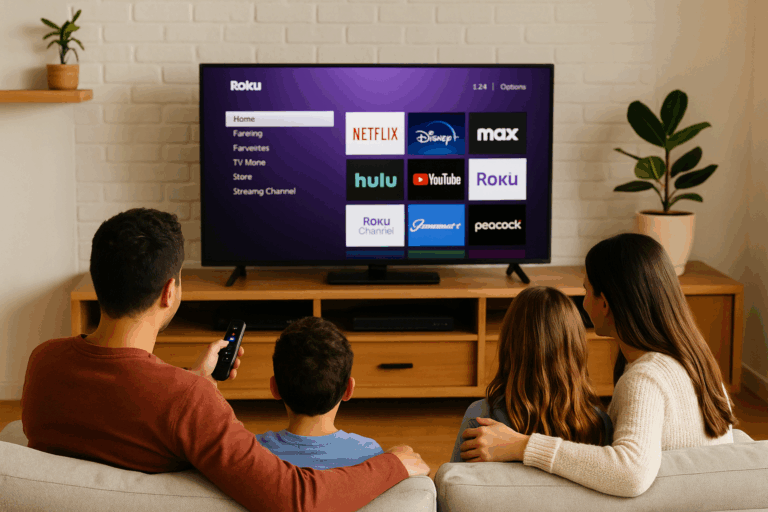
Streaming is the shiny new contender in the TV world. It’s customizable, trendy, and full of options. But here’s the problem: it only works if your internet works.
Snowstorm knocks out your Wi-Fi? Say goodbye to Disney+, Hulu, Netflix, and all those other subscriptions you lovingly curated. That’s akin to building a house of cards and then sneezing on it. Streaming is great… until Michigan’s winter weather has other plans.
The Plot Twist: Why Antenna Is Supreme
Now that we’ve dragged Satellite and Cable through the snowy mud, let’s talk about the quiet champion of TV reliability: the antenna.
Local Broadcast Towers Have Your Back
Unlike Satellite’s dependence on space signals or Cable’s dependency on vulnerable infrastructure that even a squirrel can chew down, antennas connect directly to local broadcast towers—which, by the way, are everywhere. Whether you’re in downtown Grand Rapids or the middle of the Michigan countryside, there’s always a tower within 30-40 miles.
Let me put it this way: you’re closer to a broadcast tower than you are to a shopping mall. And if the snowstorm gets really bad? That tower is still standing strong, delivering local channels and emergency weather updates without a single ounce of drama.
Snow’s Secret Superpower
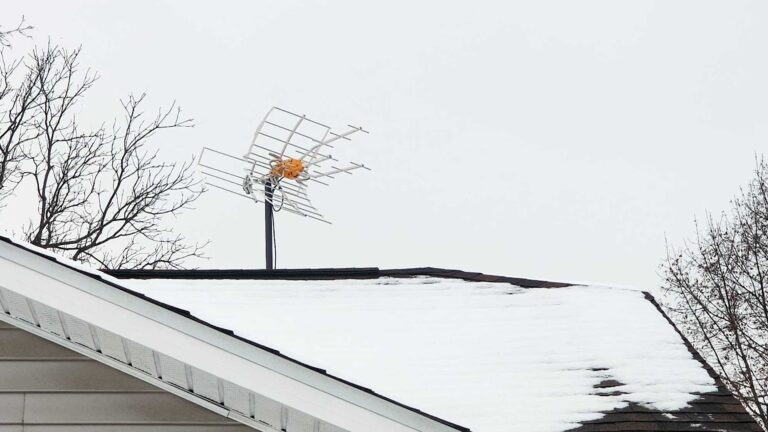
Here’s something you didn’t expect: snow on the ground actually helps your antenna’s reception. It acts like a natural reflector, bouncing signals to your antenna and making reception even better. It’s like a winter gift from Mother Nature.
Sure, heavy snowstorms can cause minor pixelation on a couple of distant channels, but the core local stations? They’ll keep chugging along, bringing you news, weather alerts, and even some good old-fashioned sitcoms to lighten the mood.
No Internet Required, No Subscription Necessary
When everything else fails—Satellite loses signal, Cable is down, and your Wi-Fi throws in the towel—your antenna is still standing, delivering free, over-the-air channels without breaking a sweat. It doesn’t care about your internet speed, and it sure doesn’t demand a subscription.
The Final Word
Let’s call it like it is:
- Satellite: Fun until the snowstorm hits, then it’s useless.
- Cable: Reliable—until it takes your internet and landline hostage during a storm.
- Streaming: Cool, but entirely dependent on Wi-Fi, which we all know Michigan weather loves to bully.
- Antenna: The quiet hero, standing tall no matter what. Free, reliable, and immune to corporate feuds.
In the battle of Antenna vs. Satellite vs. Cable, the winner is clear: Antenna reigns supreme. So, while the snow piles up and the world outside looks like the set of Frozen 3, you’ll be warm inside, watching crystal-clear TV and staying informed—all thanks to the humble antenna.
And hey, if you’re still rocking that rabbit-ear relic from the ‘90s, give me a call. I’ll set you up with something modern, sleek, and stormproof. Because at Transition TV, we believe your connection to the world shouldn’t freeze up just because the weather does. 😊